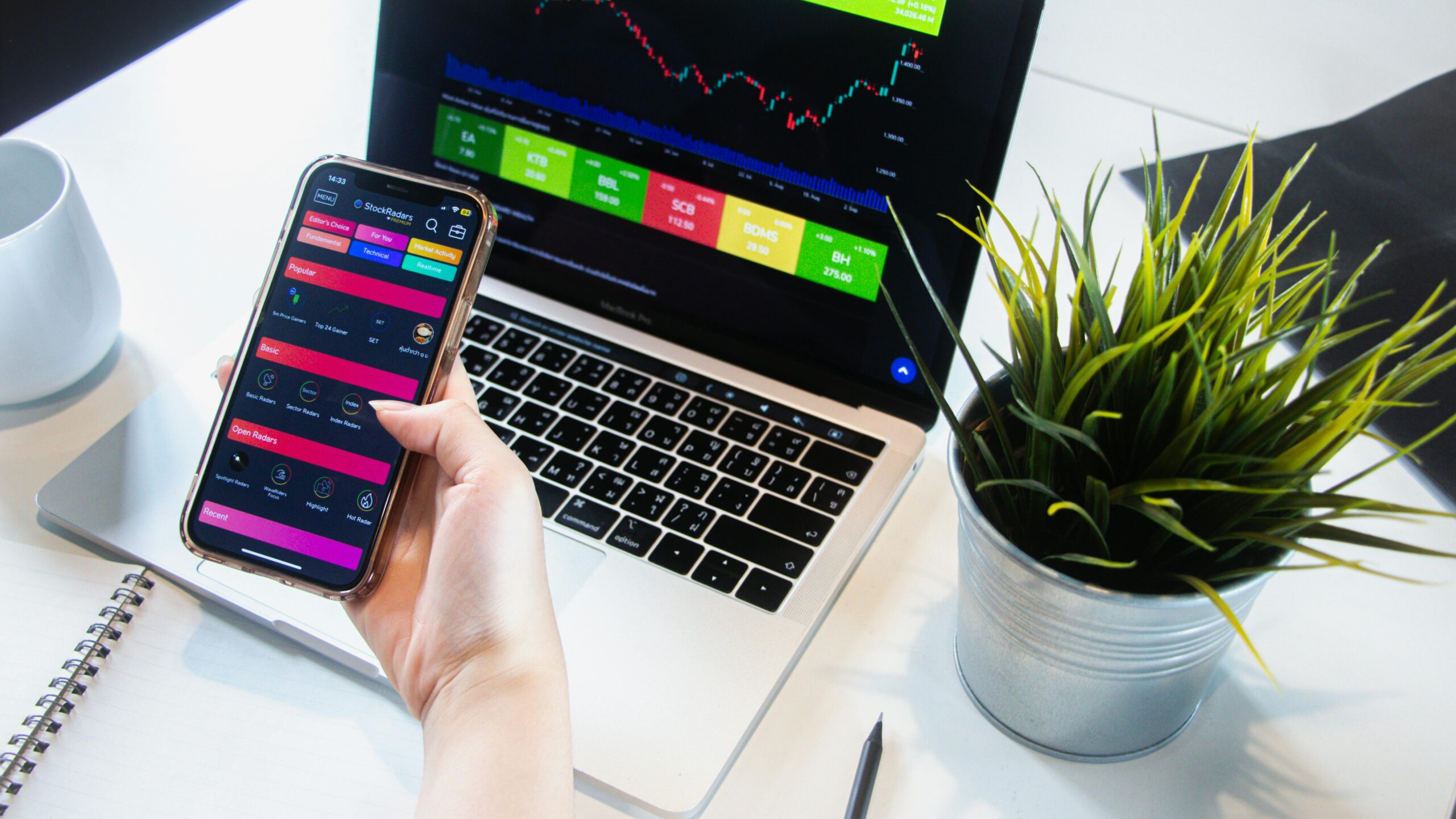
In a world buzzing with notifications, emails, and endless streams of content, learning to master your mind has become a survival skill for the modern age.

Every day, we’re bombarded with more information than our ancestors encountered in their entire lifetimes. Social media feeds refresh endlessly, news alerts ping constantly, and our inboxes overflow with demands for our attention. This relentless digital assault doesn’t just distract us—it fundamentally changes how our brains process information and make decisions.
The consequences of information overload extend far beyond simple distraction. Research shows that constant context-switching reduces our cognitive capacity, impairs our decision-making abilities, and leaves us feeling mentally exhausted even when we haven’t accomplished anything meaningful. The good news? You can take back control.
🧠 Understanding the Mental Cost of Information Overload
Before you can shield yourself from information overload, you need to understand what’s happening inside your brain when you’re overwhelmed. Your cognitive resources are finite, like a battery that depletes throughout the day. Every notification, every tab you have open, every unfinished task lingering in your mental workspace drains this battery a little more.
Neuroscientists have discovered that our brains aren’t designed for the multitasking demanded by modern life. When we think we’re multitasking, we’re actually rapidly switching between tasks, and each switch comes with a cognitive cost called “attention residue.” Part of your attention remains stuck on the previous task, reducing your effectiveness on the current one.
This constant switching doesn’t just make you less productive—it literally changes your brain structure over time. Studies using MRI scans have shown that heavy multitaskers have less density in the anterior cingulate cortex, the region responsible for empathy and emotional control.
The Dopamine Trap of Endless Information
Social media platforms and news apps are engineered to exploit your brain’s reward system. Each notification triggers a small dopamine release, creating a feedback loop that keeps you checking your phone compulsively. This isn’t accidental—it’s by design. Tech companies employ teams of psychologists and neuroscientists to make their platforms as addictive as possible.
Breaking free from this trap requires understanding that your attention is valuable currency in the digital economy. Every time you click, scroll, or engage, you’re enriching someone else while depleting your own mental resources.
🛡️ Building Your Mental Defense System
Protecting your mind from information overload starts with creating intentional barriers between you and the constant stream of digital noise. This doesn’t mean becoming a hermit or abandoning technology entirely—it means using technology on your terms rather than letting it use you.
The Power of Digital Boundaries
Establishing clear boundaries with technology is your first line of defense. This means setting specific times when you engage with digital content and protecting sacred spaces where technology doesn’t intrude. Your bedroom should be a phone-free zone. Your first hour after waking should be protected from email and social media. These boundaries aren’t restrictions—they’re liberations.
Start by conducting a digital audit. For one week, track every time you pick up your phone, check email, or browse social media. Most smartphones have built-in screen time tracking that can reveal shocking truths about your habits. The average person checks their phone 96 times per day—that’s once every ten minutes during waking hours.
Notification Detox: Reclaiming Your Attention
Notifications are attention terrorists, hijacking your focus whenever they please. The solution is radical: turn off almost all of them. You don’t need to know the instant someone likes your photo or comments on your post. These can wait for designated checking times.
Keep notifications enabled only for genuine emergencies—calls from family members, critical work messages, and similar high-priority items. Everything else should be silenced. This single change can dramatically reduce your daily interruptions and restore long stretches of unbroken focus.
📋 The Art of Information Curation
Not all information is created equal, yet we often treat our news consumption like an all-you-can-eat buffet, consuming everything without discrimination. Developing a curation strategy helps you focus on high-quality, relevant information while filtering out the noise.
Quality Over Quantity: Building Your Information Diet
Think of information consumption like nutrition. Just as your body needs quality food rather than empty calories, your mind needs substantive content rather than mindless scrolling. Create a whitelist of trusted sources that consistently deliver value and eliminate everything else.
Instead of following hundreds of accounts on social media, pare down to the essential few. Replace reactive news consumption (checking headlines constantly) with proactive learning (reading in-depth articles or books on specific topics). Schedule specific times for information intake rather than grazing throughout the day.
- Identify 3-5 core areas of genuine interest or professional importance
- Find the highest-quality sources for each area (experts, researchers, thoughtful journalists)
- Unfollow, unsubscribe, and delete everything that doesn’t serve these interests
- Set a daily time limit for information consumption (30-60 minutes is often sufficient)
- Use RSS feeds or newsletter aggregators to centralize your curated content
The Two-Touch Rule for Content
When you encounter interesting content, apply the two-touch rule: either engage with it immediately or save it to a designated reading list for later. Don’t leave tabs open or tell yourself you’ll “get to it eventually.” This creates digital clutter that weighs on your mental workspace.
Tools like read-it-later apps help you collect articles for focused reading sessions. The key is actually scheduling those sessions rather than letting your reading list become another source of guilt and overwhelm.
🎯 Deep Work: Your Secret Weapon for Staying Focused
Cal Newport’s concept of “deep work”—the ability to focus without distraction on cognitively demanding tasks—has become increasingly rare and therefore increasingly valuable. While others flit between tasks and notifications, your ability to dive deep becomes a competitive advantage.
Creating Deep Work Rituals
Deep work doesn’t happen by accident. It requires intentional design of your environment, schedule, and mindset. Start by identifying your peak cognitive hours—the times when your mental energy is highest. For most people, this is within a few hours of waking.
Protect these golden hours fiercely. Block them on your calendar, silence all notifications, close all unnecessary applications, and create a physical environment conducive to focus. Some people work best in complete silence, others with instrumental music or ambient noise. Experiment to find your optimal conditions.
Build a pre-work ritual that signals to your brain it’s time for deep focus. This might include brewing coffee, doing five minutes of meditation, or reviewing your intentions for the session. Rituals reduce the friction of starting and help you enter a focused state more quickly.
The Pomodoro Technique Reimagined
The classic Pomodoro Technique—25 minutes of focused work followed by a 5-minute break—can be adapted for deeper work sessions. Try 90-minute blocks aligned with your brain’s natural ultradian rhythms, followed by 15-20 minute breaks. During these breaks, completely disconnect from work: walk outside, stretch, or practice mindfulness.
🧘 Mindfulness as Your Mental Shield
Mindfulness isn’t just a wellness buzzword—it’s a practical tool for developing meta-awareness of your attention. When you’re mindful, you notice when your focus has drifted and can gently redirect it. This skill becomes increasingly crucial in our distraction-saturated world.
Meditation for Focus Enhancement
Regular meditation practice literally strengthens the brain regions responsible for attention control. Even ten minutes daily can produce measurable improvements in your ability to sustain focus and resist distractions. The practice doesn’t need to be complicated—simple breath awareness meditation is remarkably effective.
Start small with just five minutes each morning. Sit comfortably, close your eyes, and focus on the sensation of breathing. When your mind wanders (and it will), notice without judgment and return to the breath. This simple practice trains the exact skill you need for staying focused amidst information overload.
Mindful Technology Use
Bring mindfulness to your digital interactions. Before opening social media, pause and ask: “What’s my intention here?” Before checking email, ask: “Is this the best use of my attention right now?” These micro-pauses create space between stimulus and response, preventing autopilot scrolling.
Notice physical sensations when you feel the urge to check your phone. Is there anxiety? Boredom? Restlessness? By becoming aware of the emotional triggers behind compulsive checking, you can address the underlying needs rather than numbing them with digital distraction.
⚙️ Systematic Approaches to Information Management
Beyond individual techniques, creating robust systems for managing information prevents overwhelm before it starts. These systems act as external scaffolding for your mind, reducing the cognitive load of remembering, organizing, and retrieving information.
The Capture-Clarify-Organize Framework
David Allen’s Getting Things Done methodology offers a powerful framework for handling information flow. First, capture everything in a trusted system rather than trying to hold it in your head. Second, regularly clarify what each captured item means and what action it requires. Third, organize items into appropriate categories or projects.
This approach prevents the mental clutter that comes from incomplete tasks and unprocessed information floating around your consciousness. When your mind trusts that your system will hold and organize information, it can let go and focus on the work at hand.
The Second Brain Concept
Building a “second brain”—a personal knowledge management system—allows you to offload the storage and organization of information from your biological brain to digital tools. This might include note-taking apps, cloud storage systems, or specialized knowledge management platforms.
The key is choosing a system simple enough that you’ll actually use it consistently. Complexity is the enemy of sustainability. Even a well-organized folder structure with clear naming conventions can serve as an effective second brain.
💪 Strengthening Your Focus Muscles
Like physical fitness, mental fitness requires regular training. Your attention span is a muscle that atrophies with neglect and strengthens with practice. Fortunately, there are proven exercises for building focus capacity.
Progressive Focus Training
Start where you are, not where you wish you were. If you can only maintain focus for 10 minutes before feeling the urge to check your phone, start there. Work in 10-minute blocks, gradually extending them as your capacity increases. Track your progress to maintain motivation and celebrate improvements.
Challenge yourself to read long-form content regularly. In our age of tweets and headlines, the ability to engage deeply with book-length arguments is becoming rare. Set a goal of reading at least one substantial book per month, preferably on paper to avoid digital distractions.
The Role of Physical Health
Your brain is part of your body, and its performance depends heavily on physical factors. Regular exercise increases blood flow to the brain, improves mood, and enhances cognitive function. Quality sleep is non-negotiable—chronic sleep deprivation impairs attention, memory, and decision-making as severely as alcohol intoxication.
Nutrition also plays a crucial role. The brain consumes about 20% of your body’s energy despite being only 2% of your body weight. Stable blood sugar levels support stable focus, so avoid the refined carbohydrates and sugar that cause energy crashes. Stay hydrated, as even mild dehydration impairs cognitive performance.
🚀 Designing Your Ideal Focus Environment
Your environment shapes your behavior more than you might realize. Small changes to your physical and digital spaces can dramatically impact your ability to maintain focus and resist information overload.
Physical Space Optimization
Create a dedicated workspace free from distractions. Remove clutter, as visual complexity increases cognitive load. Position your desk away from high-traffic areas if possible. Consider using noise-canceling headphones or working in a quiet room when doing deep work.
Make distraction harder and focus easier through environmental design. Keep your phone in another room during focus sessions. Use website blockers during work hours. Create friction between you and your distractions while reducing friction for productive behaviors.
Digital Environment Decluttering
Your digital workspace deserves the same attention as your physical one. Close all unnecessary browser tabs. Organize your desktop. Uninstall apps you don’t regularly use. Use separate browsers or browser profiles for work and personal activities to maintain clear boundaries.
Consider going grayscale on your phone—removing color makes the device less stimulating and reduces the dopamine hits from colorful app icons and images. This simple change can significantly reduce compulsive phone checking.
🌟 Sustaining Your Practice Over Time
The strategies outlined here only work if you implement them consistently. One-time efforts produce one-time results. Lasting change requires building sustainable habits and systems that become part of your lifestyle rather than temporary interventions.
Start with one or two changes rather than attempting a complete overhaul. Behavior change research shows that small, consistent actions compound over time into significant transformations. Pick the intervention that resonates most strongly with you and commit to it for 30 days before adding another.
Track your progress using simple metrics: hours of deep work completed, books read, screen time reduction, or subjective feelings of mental clarity. What gets measured gets managed, and seeing concrete progress provides motivation to continue.
Expect setbacks and plan for them. You’ll have days when you fall back into old patterns of compulsive checking and scattered attention. This is normal and doesn’t mean failure—it’s simply part of the process. What matters is getting back on track without self-judgment.
Consider finding an accountability partner or joining a community of people working on similar goals. Social support significantly increases the likelihood of maintaining behavior changes. Even a simple weekly check-in with a friend can help you stay committed to your focus practice.

🎓 Your Journey to Mental Mastery Begins Now
Mastering your mind in an age of information overload isn’t a destination—it’s an ongoing practice. The digital landscape will continue evolving, creating new challenges for your attention. But the fundamental skills you develop—setting boundaries, curating information, practicing deep work, and cultivating mindfulness—will serve you regardless of how technology changes.
Remember that reclaiming your focus isn’t about productivity alone. It’s about reclaiming your life. When you’re not constantly scattered across dozens of apps and notifications, you become more present with the people you love. You think more clearly about what truly matters. You create space for contemplation, creativity, and genuine rest.
The path forward requires courage to swim against the cultural current of constant connectivity. It requires discipline to maintain boundaries when everyone else seems perpetually available. But the rewards—deeper relationships, more meaningful work, and greater peace of mind—make every effort worthwhile.
Your attention is your most valuable resource. Unlike time or money, you can’t get more of it, and you can’t store it for later. Every moment you spend scattered is a moment you’ll never get back. Choose wisely where you direct this precious resource, and build the systems and habits that protect it from the endless demands of the information age. Your future self will thank you for the focused mind and rich life you’ve created.