
The global energy landscape is undergoing a profound transformation as nations, industries, and communities recognize the urgent need for sustainable, long-term solutions to power our future.

🌍 The Imperative for Long-Term Energy Transformation
Climate change, resource depletion, and energy security concerns have converged to create an unprecedented challenge for humanity. The traditional reliance on fossil fuels has proven unsustainable, driving environmental degradation and contributing to geopolitical instability. As we stand at this critical juncture, the transition to renewable and sustainable energy sources is not merely an option—it’s an existential necessity.
The energy sector accounts for approximately 73% of global greenhouse gas emissions, making it the primary battleground in the fight against climate change. Long-term energy solutions must address not only environmental concerns but also economic viability, social equity, and technological innovation. These multifaceted challenges require comprehensive strategies that balance immediate needs with future sustainability.
Developing nations face particular challenges as they seek to expand energy access while avoiding the carbon-intensive pathways historically taken by industrialized countries. Meanwhile, developed economies must retrofit existing infrastructure and transform entrenched energy systems. This dual challenge underscores the complexity of achieving a truly sustainable global energy future.
⚡ Renewable Energy Technologies: The Foundation of Sustainability
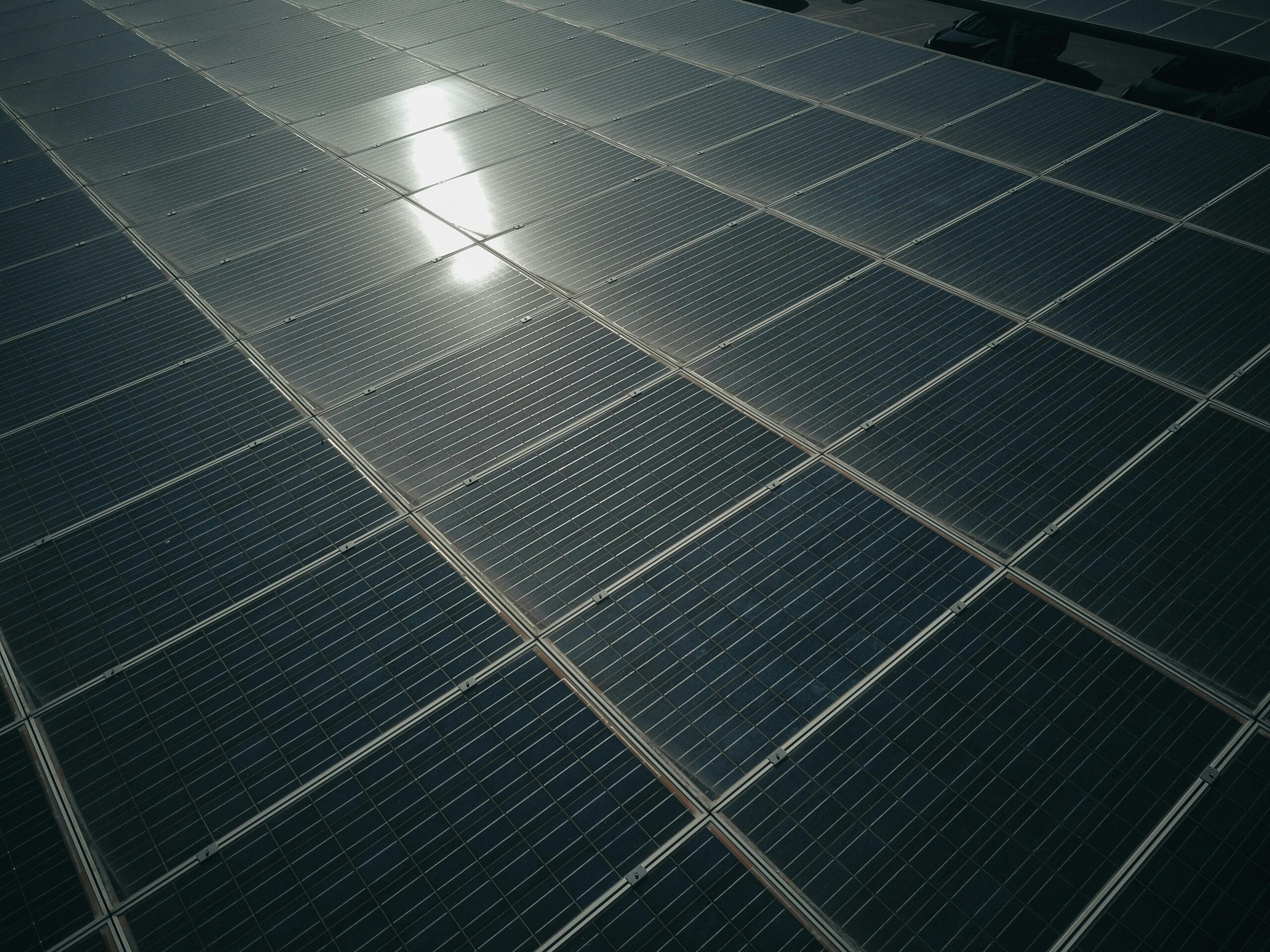
Solar power has emerged as one of the most promising long-term energy solutions, with technological advancements dramatically reducing costs while improving efficiency. Photovoltaic technology has achieved grid parity in many markets, making solar energy economically competitive with conventional sources. Innovations in perovskite solar cells, bifacial panels, and concentrated solar power systems continue to push efficiency boundaries.
Wind energy, both onshore and offshore, represents another cornerstone of sustainable energy infrastructure. Modern wind turbines harness aerodynamic innovations and smart grid integration to maximize energy capture. Offshore wind farms, particularly those utilizing floating turbine technology, unlock vast energy potential in deep-water locations previously inaccessible to traditional fixed-bottom installations.
Hydroelectric power, while more geographically constrained, remains a vital renewable resource with exceptional reliability. Run-of-river systems and small-scale hydropower installations offer environmentally sensitive alternatives to traditional large dam projects, minimizing ecological disruption while providing consistent baseload power.
Emerging Renewable Technologies
Geothermal energy taps into the Earth’s internal heat, offering reliable, weather-independent power generation. Enhanced geothermal systems (EGS) expand the geographic viability of this technology beyond traditional volcanic regions, potentially unlocking massive untapped resources.
Tidal and wave energy technologies harness ocean movements to generate electricity. While still in development phases, these systems promise predictable, renewable energy generation that complements solar and wind resources. Marine energy could prove particularly valuable for coastal communities and island nations.
Biomass and bioenergy solutions convert organic materials into usable energy, creating circular economy opportunities. Advanced biofuels, biogas from waste streams, and biomass combined heat and power systems integrate agricultural, industrial, and energy sectors to maximize resource efficiency.
🔋 Energy Storage: Bridging the Intermittency Gap
The intermittent nature of solar and wind energy necessitates robust storage solutions to ensure grid stability and reliability. Battery technology has experienced remarkable advancement, with lithium-ion systems leading the commercial market. Energy density improvements and cost reductions have made battery storage increasingly viable for both utility-scale and distributed applications.
Beyond lithium-ion, alternative battery chemistries are emerging to address specific use cases. Sodium-ion batteries offer lower costs and abundant raw materials. Flow batteries provide scalable, long-duration storage ideal for grid applications. Solid-state batteries promise enhanced safety and energy density for next-generation applications.
Mechanical storage systems, including pumped hydro storage, compressed air energy storage, and flywheel technologies, provide alternatives to electrochemical solutions. These systems offer different performance characteristics, suitable for various applications from frequency regulation to seasonal storage.
Hydrogen: The Versatile Energy Carrier
Green hydrogen, produced through renewable-powered electrolysis, represents a transformative energy vector for hard-to-decarbonize sectors. This versatile fuel can power transportation, industry, and heating while serving as long-term energy storage. Hydrogen’s potential extends from heavy-duty vehicles and shipping to steel production and chemical manufacturing.
Hydrogen infrastructure development, though capital-intensive, is accelerating globally. Electrolyzer capacity is expanding rapidly, with costs declining as production scales. Fuel cell technologies continue improving, enhancing conversion efficiencies across applications. The emerging hydrogen economy promises to complement electrification strategies, creating a comprehensive decarbonization toolkit.
🏗️ Smart Grids and Digital Energy Infrastructure
Traditional electrical grids were designed for centralized, unidirectional power flow from large generators to consumers. The renewable energy transition demands fundamentally different infrastructure—smart grids capable of managing distributed generation, variable supply, and responsive demand.
Advanced metering infrastructure, real-time monitoring, and automated control systems enable unprecedented grid flexibility. Artificial intelligence and machine learning algorithms optimize energy distribution, predict demand patterns, and integrate diverse energy sources seamlessly. These digital technologies transform grids from passive distribution networks into dynamic, responsive systems.
Microgrids and distributed energy resources enhance resilience by decentralizing power generation. Communities can maintain electricity access during grid disruptions while reducing transmission losses through local generation. Virtual power plants aggregate distributed resources, creating flexible capacity that responds to grid needs.
Demand-Side Management and Energy Efficiency
Long-term sustainability requires not only clean energy generation but also reduced consumption through efficiency improvements. Building energy management systems, industrial process optimization, and behavioral interventions significantly decrease energy demand without compromising quality of life or economic productivity.
Smart home technologies enable automated energy optimization, adjusting heating, cooling, and appliance operation based on occupancy, preferences, and grid conditions. Industrial Internet of Things (IIoT) applications identify efficiency opportunities in manufacturing, reducing energy intensity while maintaining output.
💰 Economic Dimensions of Energy Transition
The financial case for renewable energy has strengthened dramatically. Levelized costs of electricity (LCOE) for solar and wind have fallen below fossil fuel alternatives in most markets. This economic competitiveness accelerates adoption, creating virtuous cycles of investment, innovation, and further cost reduction.
Green financing mechanisms, including sustainability bonds, climate funds, and carbon pricing, mobilize capital toward sustainable energy projects. Public-private partnerships leverage government support with private sector efficiency and innovation. Blended finance structures reduce investment risks in emerging markets, expanding access to clean energy technologies globally.
The economic benefits extend beyond direct energy costs. Renewable energy creates employment opportunities across manufacturing, installation, and maintenance sectors. Local energy generation retains capital within communities rather than exporting it for fuel imports. Health benefits from reduced air pollution generate substantial economic value through decreased healthcare costs and improved productivity.
Stranded Assets and Just Transition
The energy transition creates economic challenges alongside opportunities. Fossil fuel assets risk becoming stranded as markets shift toward renewables. Workers and communities dependent on conventional energy industries require support through retraining programs, economic diversification initiatives, and social safety nets.
A just transition framework ensures that the benefits of sustainable energy are broadly shared while supporting those affected by industry changes. This approach recognizes that social sustainability is inseparable from environmental and economic sustainability, requiring inclusive planning and stakeholder engagement.
🌱 Environmental and Climate Benefits
The primary driver for long-term sustainable energy solutions is climate change mitigation. Renewable energy systems generate electricity without greenhouse gas emissions, directly addressing the largest source of anthropogenic climate forcing. Widespread adoption of clean energy technologies is essential to limiting global temperature increases to manageable levels.
Beyond climate benefits, renewable energy systems offer significant air quality improvements. Fossil fuel combustion releases particulate matter, nitrogen oxides, and sulfur dioxide—pollutants responsible for millions of premature deaths annually. Clean energy eliminates these emissions at the source, dramatically improving public health outcomes.
Water resource benefits also deserve recognition. Conventional thermoelectric power plants consume vast quantities of water for cooling, creating competition with agricultural, municipal, and environmental needs. Most renewable technologies require minimal water, alleviating pressure on stressed water systems.
🔬 Innovation and Technological Advancement
Continued research and development drives the ongoing evolution of sustainable energy technologies. Materials science innovations improve solar cell efficiency and reduce manufacturing costs. Advanced manufacturing techniques, including automation and additive manufacturing, enhance production capabilities while minimizing waste.
Nuclear fusion research, though still developmental, offers potential for virtually unlimited clean energy. International collaboration through projects like ITER demonstrates the global commitment to exploring breakthrough technologies. Small modular reactors (SMRs) and advanced fission designs provide nearer-term nuclear options with enhanced safety and flexibility.
Carbon capture, utilization, and storage technologies complement renewable energy by addressing emissions from difficult-to-abate sources and legacy infrastructure. Direct air capture systems remove atmospheric CO2, potentially enabling negative emissions necessary for ambitious climate targets. Utilization pathways convert captured carbon into valuable products, creating economic incentives for deployment.
🤝 Policy Frameworks and International Cooperation
Effective policy design accelerates sustainable energy deployment while ensuring equitable outcomes. Renewable portfolio standards, feed-in tariffs, and tax incentives have proven successful in driving clean energy adoption. Carbon pricing mechanisms internalize environmental costs, creating market signals that favor low-carbon alternatives.
International cooperation amplifies national efforts through technology transfer, capacity building, and coordinated action. The Paris Agreement established a global framework for climate action, with nationally determined contributions outlining each country’s commitments. Multilateral development banks and climate funds support developing nations in leapfrogging to clean energy systems.
Regional energy integration creates larger markets for renewable energy, enabling economies of scale and enhanced grid stability. Cross-border transmission infrastructure allows renewable-rich regions to export clean electricity, optimizing resource utilization across geographies. Energy communities and regional cooperation mechanisms facilitate knowledge sharing and coordinated planning.
🏡 Community-Level Energy Solutions
Distributed generation empowers communities to take control of their energy futures. Community solar projects enable collective investment in renewable energy, providing access to those unable to install rooftop systems. Energy cooperatives democratize energy ownership, keeping economic benefits local while fostering civic engagement.
Off-grid renewable energy systems expand access in remote and underserved areas. Solar home systems, mini-grids, and standalone renewable installations provide electricity to communities beyond centralized grid infrastructure. These solutions improve quality of life, enable economic development, and support education and healthcare delivery.
Urban energy planning integrates renewable generation, efficient buildings, and sustainable transportation. District heating and cooling systems leverage renewable thermal energy and waste heat recovery. Green building standards reduce energy consumption while improving occupant comfort and health. Integrated urban planning creates compact, energy-efficient communities that minimize transportation energy requirements.
🚗 Transportation Electrification and Mobility
The transportation sector represents approximately one-quarter of global energy-related emissions, making its decarbonization essential for climate goals. Electric vehicles (EVs), powered by renewable electricity, eliminate tailpipe emissions while reducing operational costs. Battery cost declines and range improvements are accelerating EV adoption across personal, commercial, and public transportation.
Charging infrastructure development is critical to EV success. Public charging networks, workplace charging, and residential charging solutions create the ecosystem necessary for widespread adoption. Smart charging systems integrate EVs with electrical grids, enabling vehicles to provide grid services through vehicle-to-grid technologies.
Electrification extends beyond light-duty vehicles. Electric buses reduce urban air pollution while lowering operating costs. Heavy-duty trucking increasingly embraces battery-electric and hydrogen fuel cell technologies. Aviation and shipping explore sustainable fuels, including biofuels, synthetic fuels, and hydrogen, to decarbonize long-distance transport.
📊 Measuring Progress and Accountability
Tracking energy transition progress requires robust metrics and transparent reporting. Renewable energy capacity additions, carbon emission reductions, and investment flows provide quantitative measures of advancement. Energy access indicators ensure that transition benefits reach underserved populations.
Life cycle assessments evaluate the true environmental impact of energy technologies, accounting for manufacturing, operation, and end-of-life considerations. Circular economy principles guide sustainable resource use, emphasizing recycling, remanufacturing, and material recovery to minimize waste and environmental footprint.
Corporate sustainability reporting and environmental, social, and governance (ESG) criteria drive private sector accountability. Investors increasingly consider climate risks and opportunities in decision-making, redirecting capital toward sustainable businesses. Standardized reporting frameworks enable meaningful comparisons and informed stakeholder decisions.
🌟 Building a Resilient Energy Future Together
The transition to long-term sustainable energy solutions represents humanity’s most ambitious infrastructure transformation. Success requires coordinated action across governments, businesses, communities, and individuals. While challenges remain significant, technological progress, economic trends, and growing political will create unprecedented momentum.
Resilience must be built into energy systems to withstand climate impacts, natural disasters, and unforeseen disruptions. Distributed generation, diverse energy sources, and adaptive infrastructure enhance system robustness. Scenario planning and stress testing identify vulnerabilities, enabling proactive mitigation strategies.
Education and public engagement foster the societal support necessary for sustained transformation. Understanding energy systems, climate science, and available solutions empowers informed decision-making. Youth engagement cultivates the next generation of energy innovators, policymakers, and advocates who will continue driving progress.
The path forward demands ambition matched with pragmatism, innovation coupled with equity, and local action integrated with global cooperation. By embracing long-term sustainable energy solutions, we can power human prosperity while preserving the planetary systems upon which all life depends. The future we create will reflect the choices we make today—choices to invest in clean energy, prioritize sustainability, and build a resilient world for generations to come.
This transformative journey offers not just environmental salvation but economic opportunity, improved health, enhanced security, and expanded access to modern energy services. The technologies exist, the economics are favorable, and the imperative is clear. What remains is the collective will to implement solutions at the scale and speed required. Together, we can empower a sustainable and resilient future through comprehensive, long-term energy solutions that serve both people and planet.