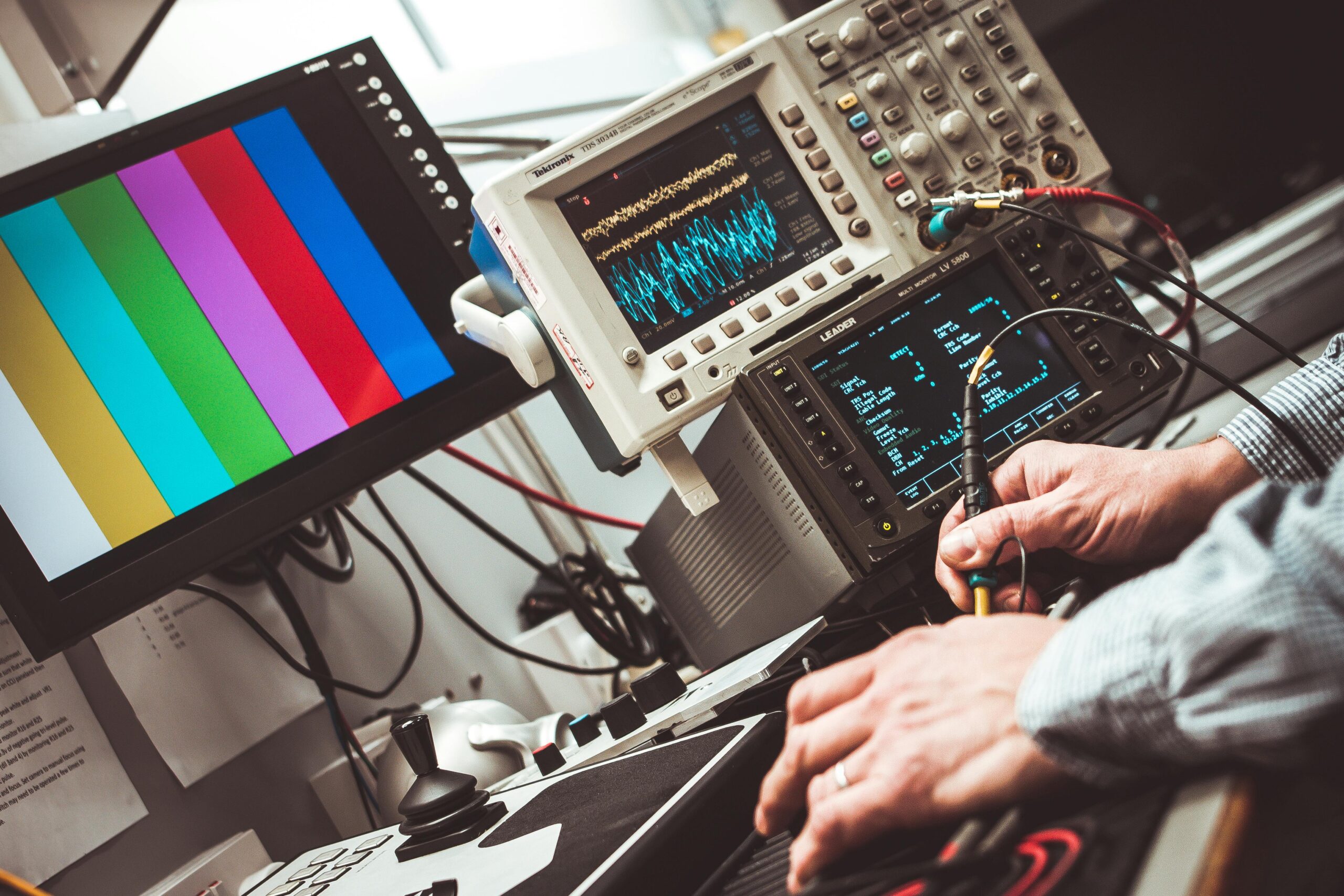
Power transfer mechanisms form the backbone of modern engineering, enabling industries to harness, convert, and distribute energy with precision and efficiency across countless applications.

🔧 Understanding the Foundation of Power Transfer Systems
Power transfer mechanisms represent the critical link between energy sources and their intended applications. These systems encompass a diverse range of components and technologies designed to transmit mechanical, electrical, or hydraulic power from one point to another. In today’s rapidly evolving industrial landscape, mastering these mechanisms has become essential for engineers, technicians, and organizations seeking to optimize their operational efficiency and reduce energy waste.
The significance of power transfer extends far beyond simple mechanical movement. These systems influence everything from manufacturing productivity to renewable energy integration, from automotive performance to robotics precision. Understanding how energy flows through various transmission methods allows professionals to design smarter solutions that minimize losses, enhance reliability, and adapt to changing technological demands.
Modern power transfer solutions must address multiple challenges simultaneously: efficiency requirements, environmental considerations, cost constraints, and safety regulations. As industries move toward automation and sustainability, the role of innovative power transmission technologies becomes increasingly critical in shaping our technological future.
⚙️ Core Types of Power Transfer Mechanisms
Power transfer mechanisms can be categorized into several fundamental types, each with distinct characteristics and applications. Mechanical power transmission remains the most visible form, utilizing gears, belts, chains, and shafts to convert rotational or linear motion. These systems have evolved significantly from their industrial revolution origins, now incorporating advanced materials and precision manufacturing techniques that dramatically improve their performance.
Electrical power transfer represents another crucial category, converting energy through transformers, converters, and distribution networks. This method offers exceptional flexibility and efficiency, particularly for long-distance transmission and precise control applications. The rise of power electronics has revolutionized how we manage electrical energy flow, enabling sophisticated control strategies that were impossible just decades ago.
Hydraulic and pneumatic systems constitute the third major category, using fluid pressure to transmit substantial forces across distances. These mechanisms excel in applications requiring high power density and precise force control, such as construction equipment, aircraft systems, and industrial presses. Their ability to generate tremendous force from compact components makes them indispensable in heavy-duty applications.
Mechanical Transmission Systems in Detail
Gear systems represent perhaps the most fundamental mechanical power transfer mechanism. From simple spur gears to complex planetary arrangements, these components allow engineers to modify speed, torque, and rotational direction with remarkable precision. Modern gear design incorporates advanced tooth profiles, specialized coatings, and optimized materials to minimize friction losses and extend operational lifespans.
Belt and chain drives offer alternative solutions when flexibility in component placement is required. V-belts, timing belts, and synchronous chains each provide specific advantages depending on application requirements. Recent innovations in belt materials, including aramid fibers and specialized rubber compounds, have significantly improved power transmission capacity while reducing maintenance needs.
Shaft couplings and universal joints enable power transfer between non-aligned or moving components. These mechanisms accommodate misalignment, vibration, and thermal expansion while maintaining consistent power delivery. Selecting the appropriate coupling type critically impacts system reliability and performance across diverse operating conditions.
🔋 Efficiency Optimization Strategies
Maximizing efficiency in power transfer systems requires a comprehensive approach that addresses losses at every stage of the transmission chain. Friction represents the primary energy loss mechanism in mechanical systems, dissipating valuable power as heat. Advanced lubrication strategies, including synthetic oils and automatic lubrication systems, can reduce friction losses by significant margins while extending component life.
Alignment precision plays a crucial role in maintaining efficiency. Misaligned components create additional stress, vibration, and energy waste. Implementing laser alignment techniques and precision mounting systems ensures optimal power transfer while preventing premature wear. Regular monitoring and adjustment of alignment parameters should form part of any comprehensive maintenance program.
Material selection directly impacts transmission efficiency through its influence on strength, weight, and friction characteristics. High-performance alloys, composites, and surface treatments enable components to operate at higher loads and speeds while maintaining lower losses. The investment in premium materials typically delivers substantial returns through reduced energy consumption and extended maintenance intervals.
Advanced Monitoring and Control Technologies
Modern power transfer systems increasingly incorporate sensors and control systems that continuously optimize performance. Vibration monitoring detects developing problems before they cause failures, while temperature sensors identify inefficient operation or inadequate cooling. These monitoring systems integrate with predictive maintenance platforms that schedule interventions precisely when needed, avoiding both premature maintenance and unexpected failures.
Variable frequency drives and smart controllers adapt power delivery to actual demand, eliminating the waste associated with constant-speed systems operating at partial load. These technologies have transformed industrial efficiency by matching energy input to output requirements in real-time, often reducing energy consumption by twenty to forty percent in motor-driven applications.
🌍 Innovative Solutions for Renewable Energy Integration
The global transition toward renewable energy sources has created unprecedented demands on power transfer systems. Wind turbines require gearboxes capable of converting slow blade rotation into high-speed generator input while withstanding extreme environmental conditions. These specialized transmissions must operate reliably for decades with minimal maintenance, driving innovations in materials, sealing technology, and condition monitoring.
Solar power systems face different challenges, requiring efficient DC-AC conversion and grid synchronization. Advanced inverter technologies maximize energy harvest while maintaining power quality standards. As distributed generation becomes more prevalent, bidirectional power transfer capabilities enable energy storage systems and vehicle-to-grid applications that enhance grid stability and resilience.
Energy storage integration demands sophisticated power electronics capable of rapid switching between charging and discharging modes. Battery management systems coordinate power flow to optimize storage system lifespan while meeting instantaneous demand fluctuations. These technologies prove essential for balancing the intermittent nature of renewable energy sources with consistent power delivery requirements.
Emerging Technologies Reshaping Power Transfer
Wireless power transfer represents one of the most exciting frontiers in energy transmission. Inductive coupling systems already enable cable-free charging for consumer electronics and electric vehicles. Research continues into resonant coupling and microwave transmission methods that could eventually enable power delivery across significant distances without physical connections.
Superconducting materials promise nearly lossless electrical transmission, though practical implementation challenges remain. As material science advances reduce operating temperature requirements and costs, superconducting power cables could revolutionize long-distance energy distribution, particularly in dense urban environments where underground transmission capacity limitations currently constrain growth.
Additive manufacturing technologies are enabling entirely new approaches to power transfer component design. Complex internal geometries impossible to produce through conventional machining improve cooling efficiency and reduce weight while maintaining strength. Topology optimization algorithms generate organic-looking structures that maximize performance while minimizing material usage.
🛠️ Practical Design Considerations for Robust Systems
Designing effective power transfer mechanisms requires balancing multiple competing objectives. Power capacity, efficiency, size, weight, cost, and reliability must all align with application requirements. Systematic design approaches using established engineering principles help navigate these tradeoffs while avoiding common pitfalls that compromise system performance.
Load analysis forms the foundation of proper system design. Understanding peak loads, duty cycles, and operating environments ensures components are neither over-designed nor under-specified. Dynamic loading conditions, including shock loads and vibration, often dominate design requirements in mobile or industrial applications, demanding careful attention to fatigue resistance and dynamic balancing.
Thermal management frequently determines practical performance limits. Power losses generate heat that must be dissipated to prevent component degradation. Adequate cooling provision, whether through natural convection, forced air, or liquid cooling, extends component life and maintains efficiency under sustained high-load operation.
Reliability Engineering and Failure Prevention
Reliability considerations should drive design decisions from the earliest conceptual stages. Single points of failure represent unacceptable risks in critical applications, necessitating redundancy or fail-safe mechanisms. Component selection should consider not just nominal performance but also degradation modes and failure mechanisms that could compromise system integrity.
Environmental protection proves essential for maintaining long-term reliability. Contamination from dust, moisture, or chemicals accelerates wear and corrosion, dramatically shortening component life. Proper sealing, filtration, and protective coatings create barriers against environmental degradation while allowing necessary heat dissipation and lubrication circulation.
Standardization of components and interfaces simplifies maintenance, reduces inventory requirements, and ensures replacement parts availability. While custom solutions may optimize specific performance parameters, the long-term operational advantages of standardized components often outweigh marginal performance gains, particularly in systems requiring high availability.
📊 Comparative Analysis of Transmission Methods
| Transmission Type | Efficiency Range | Power Density | Best Applications |
|---|---|---|---|
| Gear Systems | 95-99% | High | Precise speed control, high torque |
| Belt Drives | 90-98% | Medium | Flexible layouts, vibration damping |
| Chain Drives | 92-97% | Medium-High | Long distances, harsh environments |
| Hydraulic Systems | 75-90% | Very High | High force, remote control |
| Electric Drives | 85-97% | Variable | Precise control, clean environments |
This comparison highlights the importance of matching transmission technology to application requirements. While efficiency numbers provide valuable guidance, real-world selection must consider installation complexity, maintenance requirements, environmental conditions, and total lifecycle costs rather than just initial purchase price or peak efficiency ratings.
🚀 Future Trends and Development Directions
The future of power transfer mechanisms will be shaped by several converging trends. Electrification continues accelerating across transportation, industrial, and consumer sectors, driving demand for more efficient electric motors, inverters, and battery systems. This transition requires innovations in power density, thermal management, and control sophistication to meet increasingly stringent performance requirements.
Digitalization and connectivity are transforming power transfer systems from passive mechanical components into intelligent, networked subsystems. Embedded sensors, edge computing, and cloud analytics enable continuous performance optimization, predictive maintenance, and fleet-wide learning that improves reliability and efficiency across entire product populations.
Sustainability considerations increasingly influence design decisions at fundamental levels. Lifecycle environmental impact assessments drive material selection, recyclability requirements shape design approaches, and energy efficiency standards become progressively more stringent. Engineers must now consider end-of-life disposal and recycling from the earliest design stages.
Integration with Autonomous Systems
Autonomous vehicles, robots, and industrial equipment place unprecedented demands on power transfer systems. These applications require not just reliable power delivery but also precise control, rapid response, and seamless integration with sophisticated control algorithms. Mechatronic design approaches that co-optimize mechanical, electrical, and software systems become essential for achieving performance targets.
Human-machine collaboration environments demand power transfer systems with inherent safety features. Torque limiting, force sensing, and rapid shutdown capabilities protect human operators while maintaining productivity. These requirements drive innovations in clutch design, sensor integration, and control system architecture.
💡 Implementing Excellence in Your Power Transfer Projects
Successfully implementing power transfer solutions requires systematic approaches that span the entire project lifecycle. Beginning with clear requirement definitions ensures all stakeholders share common understanding of performance objectives, constraints, and success criteria. Involving maintenance personnel and operators during design phases captures practical insights that prevent operational issues.
Prototyping and testing validate design assumptions before committing to full production. Physical testing remains essential despite advances in simulation capabilities, as real-world conditions inevitably include factors difficult to model accurately. Iterative refinement based on test results optimizes performance while identifying potential reliability concerns.
Documentation and knowledge transfer ensure long-term success beyond initial implementation. Comprehensive maintenance procedures, troubleshooting guides, and operator training preserve system performance throughout operational life. Creating feedback loops that capture field experience and incorporate lessons learned into future designs drives continuous improvement.
Building Cross-Functional Expertise
Mastering power transfer mechanisms requires interdisciplinary knowledge spanning mechanical engineering, electrical systems, materials science, and control theory. No single specialist possesses all necessary expertise, making effective collaboration essential. Organizations that cultivate cross-functional teams and encourage knowledge sharing develop competitive advantages through superior system integration and problem-solving capabilities.
Continuous learning remains vital in this rapidly evolving field. New materials, manufacturing methods, and control technologies constantly expand the realm of possible solutions. Professionals committed to staying current through technical publications, industry conferences, and hands-on experimentation position themselves and their organizations at the forefront of innovation.

🎯 Achieving Sustainable Competitive Advantage
Organizations that excel at power transfer system design and implementation gain multiple competitive advantages. Superior efficiency directly reduces operating costs while supporting sustainability objectives. Enhanced reliability minimizes downtime and maintenance expenses, improving overall equipment effectiveness. Innovation in power transmission enables product differentiation and access to new market opportunities.
Strategic investment in power transfer capabilities yields compounding returns. Initial expertise development enables incremental improvements that accumulate into substantial performance advantages. Organizations that commit to long-term capability building rather than seeking quick fixes establish sustainable market positions resistant to competitive pressures.
The journey toward mastering power transfer mechanisms never truly ends, as technological advancement continuously creates new possibilities and challenges. Those who embrace this reality and commit to perpetual improvement will find themselves leading rather than following in the evolution of energy solutions that power our technological civilization.