Asymmetric power use represents a paradigm shift in how we approach energy consumption, offering unprecedented opportunities for optimization, cost reduction, and environmental sustainability.

The concept of asymmetric power use has emerged as a transformative approach to energy management, challenging traditional assumptions about balanced electrical distribution and uniform consumption patterns. Unlike conventional symmetric power systems where energy flows equally across all phases, asymmetric configurations leverage intentional imbalances to optimize performance, reduce waste, and adapt to real-world operational demands.
This revolutionary methodology is reshaping industries from data centers to residential smart homes, proving that strategic power asymmetry can deliver measurable benefits in efficiency, reliability, and cost-effectiveness. As global energy demands continue escalating and sustainability becomes non-negotiable, understanding and implementing asymmetric power strategies has never been more critical.
⚡ Understanding the Fundamentals of Asymmetric Power Distribution
Asymmetric power use refers to the deliberate or natural imbalance in electrical current distribution across different phases or circuits within a power system. While traditional electrical engineering has long prioritized balance and symmetry, modern applications increasingly recognize that controlled asymmetry can actually enhance system performance under specific conditions.
In three-phase power systems, perfect balance means equal current flows through each phase conductor. However, real-world scenarios rarely achieve this ideal state. Equipment with varying loads, unpredictable usage patterns, and dynamic operational requirements naturally create asymmetries. Rather than fighting this reality, innovative energy management systems now harness these imbalances strategically.
The physics behind asymmetric power involves understanding how uneven loads affect voltage stability, current flow, and overall system efficiency. When properly managed, these imbalances can reduce transmission losses, minimize harmonic distortion, and extend equipment lifespan. Conversely, uncontrolled asymmetry can lead to overheating, voltage fluctuations, and premature component failure.
The Science Behind Strategic Load Imbalance
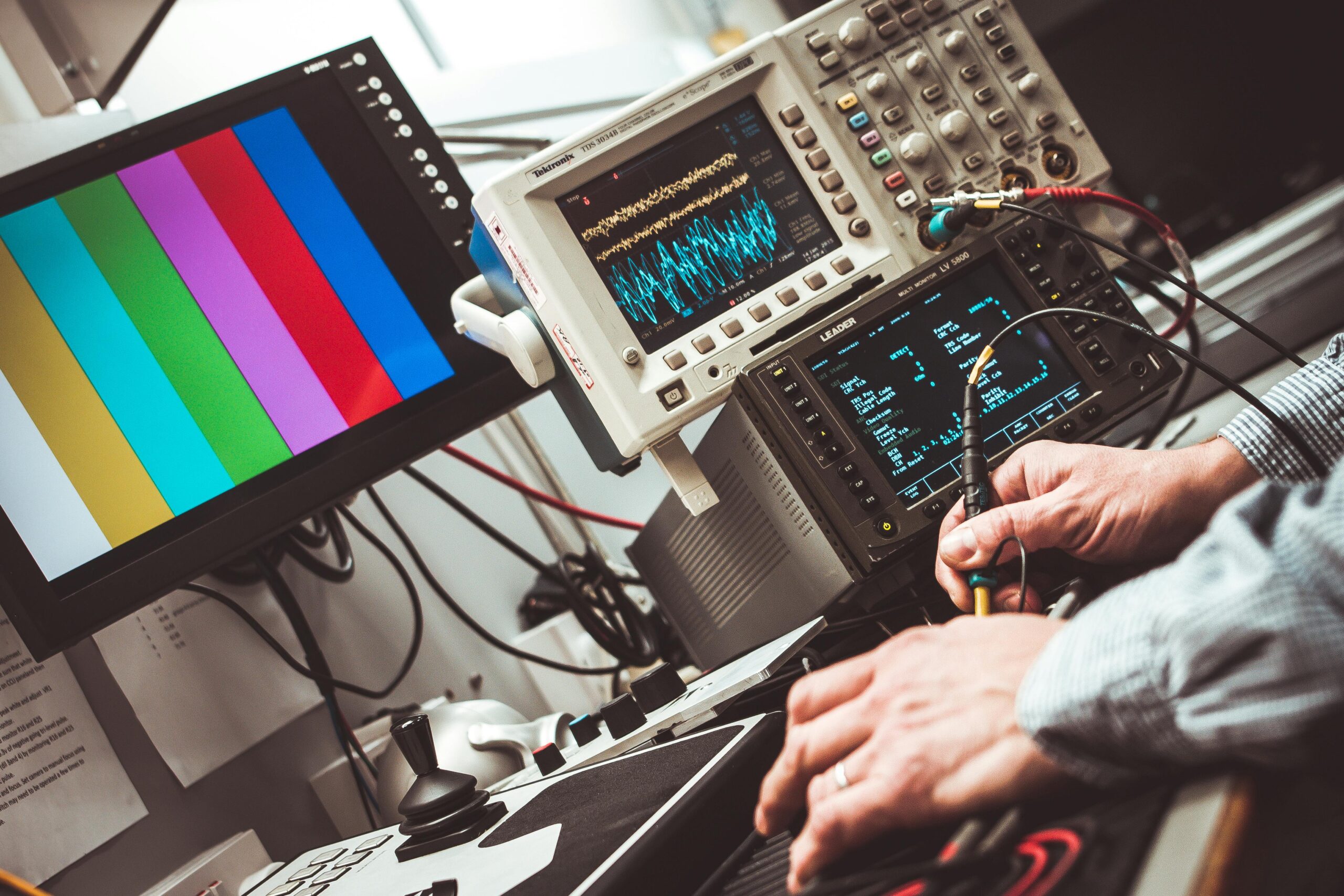
Modern power electronics and smart grid technologies enable precise monitoring and control of asymmetric conditions. Advanced sensors continuously measure current, voltage, and power factor across all system phases, feeding data to intelligent controllers that make real-time adjustments. This dynamic management transforms what was once considered a problem into an optimization opportunity.
Research demonstrates that intentional asymmetric distribution can improve energy efficiency by 15-30% in specific applications, particularly in facilities with heterogeneous equipment loads. Manufacturing plants, commercial buildings, and even residential complexes with solar installations benefit from customized asymmetric power strategies tailored to their unique consumption profiles.
🏭 Industrial Applications Driving Efficiency Gains
Manufacturing facilities represent prime candidates for asymmetric power optimization. Production lines typically include diverse equipment—motors, heating elements, lighting systems, and control electronics—each with distinct power requirements and usage patterns. Traditional balanced approaches force these varied loads into artificial symmetry, often resulting in inefficiencies.
By embracing asymmetric distribution, plant managers can allocate heavy machinery to dedicated phases while distributing lighter loads according to actual demand rather than theoretical balance. This approach reduces neutral conductor currents, minimizes transformer losses, and improves overall power factor. Several automotive manufacturing facilities have reported annual energy savings exceeding $200,000 after implementing intelligent asymmetric power management systems.
Data centers present another compelling use case. Server racks, cooling systems, and network equipment generate highly variable loads that change by the microsecond. Advanced asymmetric power distribution units (PDUs) now dynamically route electricity to where it’s needed most, reducing cooling requirements and improving server performance through more stable voltage delivery.
Commercial Buildings and Office Complexes
Modern commercial buildings incorporate sophisticated building management systems that monitor everything from HVAC to lighting and elevator operations. Asymmetric power strategies allow these systems to prioritize critical loads during peak demand periods while temporarily reducing power to non-essential equipment, all without compromising occupant comfort or safety.
Smart office buildings in Singapore and Dubai have pioneered asymmetric microgrid systems that integrate solar panels, battery storage, and grid connections. These systems dynamically shift loads between power sources based on availability, cost, and environmental conditions, achieving energy cost reductions of 25-40% compared to conventional symmetric approaches.
🏡 Residential Revolution: Smart Homes and Asymmetric Energy
The residential sector is experiencing its own asymmetric power revolution, driven by proliferating smart home devices, electric vehicle charging, and rooftop solar installations. Modern homes contain dozens of internet-connected devices with vastly different power requirements, from always-on security systems to high-demand appliances like electric ovens and heat pumps.
Intelligent home energy management systems now leverage asymmetric power distribution to optimize consumption patterns. These systems learn household routines, predict usage patterns, and automatically shift loads to off-peak periods or renewable energy availability windows. The result is lower electricity bills, reduced grid strain, and enhanced appliance longevity.
Electric vehicle charging presents particularly interesting asymmetric power opportunities. EV chargers can draw substantial current—often 7-11 kW for home installations—creating significant phase imbalances if not properly managed. Smart charging systems now communicate with home energy controllers to balance EV charging against other household loads, preventing circuit overloads while maximizing renewable energy utilization.
Solar Integration and Battery Storage Systems
Residential solar installations inherently create asymmetric conditions as panel output varies with sunlight intensity, cloud cover, and seasonal changes. Advanced inverters now manage these fluctuations intelligently, directing excess solar production to battery storage or grid export while maintaining optimal voltage and frequency characteristics.
Battery energy storage systems add another dimension to residential asymmetric power management. These systems can charge during periods of excess renewable generation or low grid prices, then discharge during peak demand or grid outages. Sophisticated controllers optimize charge/discharge cycles asymmetrically across multiple battery banks to maximize system lifespan and efficiency.
📊 Measuring Performance: Key Metrics and Benchmarks
Implementing asymmetric power strategies requires robust measurement frameworks to quantify benefits and identify optimization opportunities. Several key performance indicators help assess system effectiveness:
- Load Balance Factor: Measures the degree of imbalance across phases, with optimal ranges varying by application type
- Neutral Current Reduction: Tracks decreases in neutral conductor current, indicating improved efficiency
- Power Factor Improvement: Monitors reactive power reduction and overall system efficiency gains
- Voltage Stability Index: Assesses voltage consistency across all phases under varying load conditions
- Energy Cost Per Unit Output: Calculates the total energy cost relative to productive output or service delivery
- Equipment Lifespan Extension: Tracks maintenance intervals and component replacement rates
Leading organizations establish baseline measurements before implementing asymmetric strategies, then continuously monitor these metrics to validate improvements and identify further optimization opportunities. Cloud-based analytics platforms now make sophisticated energy analysis accessible to facilities of all sizes.
🔧 Technology Enablers: Hardware and Software Solutions
The asymmetric power revolution depends on several enabling technologies that have matured significantly in recent years. Microprocessor-controlled power electronics form the foundation, allowing precise real-time control of current flow across multiple circuits and phases.
Smart meters with phase-level monitoring capabilities provide the granular data necessary for effective asymmetric management. These devices measure current, voltage, power factor, and harmonic content at sampling rates exceeding 1000 times per second, transmitting this information to centralized controllers or cloud platforms for analysis.
Advanced power distribution units equipped with automated transfer switches can dynamically route electricity between sources and loads based on programmed priorities or AI-driven optimization algorithms. These devices range from rack-mounted data center PDUs to whole-building electrical panels with integrated intelligence.
Software Platforms and Artificial Intelligence
Machine learning algorithms have transformed asymmetric power management from reactive to predictive. These systems analyze historical consumption data, weather forecasts, occupancy patterns, and equipment operating characteristics to anticipate load requirements and preemptively optimize power distribution.
Cloud-based energy management platforms aggregate data from thousands of sites, identifying patterns and best practices that individual facilities can adopt. These platforms provide dashboards visualizing energy flows, cost breakdowns, and optimization recommendations accessible from any device.
Blockchain-based energy trading platforms now enable peer-to-peer electricity transactions, allowing facilities with excess renewable generation to sell directly to neighbors experiencing temporary deficits. This creates decentralized asymmetric microgrids that enhance resilience while maximizing renewable utilization.
🌍 Environmental Impact and Sustainability Benefits
Beyond economic advantages, asymmetric power optimization delivers significant environmental benefits. Reduced transmission losses mean less electricity generation is required to meet the same demand, directly decreasing fossil fuel consumption and greenhouse gas emissions. Even a 10% efficiency improvement across a large commercial building translates to dozens of tons of avoided CO2 emissions annually.
Enhanced renewable energy integration represents another critical sustainability advantage. Asymmetric power management systems excel at accommodating the variable, intermittent nature of solar and wind generation. By intelligently matching flexible loads with renewable availability and using storage to bridge gaps, these systems maximize clean energy utilization while maintaining grid stability.
Reduced equipment stress from optimized asymmetric operation extends component lifespans, decreasing manufacturing demand for replacement parts and reducing electronic waste. Transformers, motors, and power electronics operating under balanced, optimized conditions can last 30-50% longer than those subjected to continuous stress from unmanaged asymmetry.
💡 Implementation Strategies: From Assessment to Optimization
Successfully implementing asymmetric power strategies requires systematic assessment, planning, and execution. Organizations should begin with comprehensive energy audits that identify current consumption patterns, load characteristics, and existing inefficiencies. This baseline data informs realistic performance targets and ROI projections.
Pilot programs focusing on specific facilities or equipment groups allow organizations to validate benefits and refine approaches before full-scale deployment. Manufacturing facilities might start with a single production line, while commercial buildings could pilot asymmetric management in one wing or floor before expanding system-wide.
Stakeholder engagement proves critical for successful implementation. Facility managers, electrical engineers, financial decision-makers, and end-users must understand both the technical mechanisms and business benefits. Training programs ensure operational staff can effectively monitor and maintain asymmetric power systems.
Overcoming Common Implementation Challenges
Initial capital investment represents the most common barrier to asymmetric power adoption. However, financing options including energy-as-a-service models, utility rebate programs, and green bonds make implementation increasingly accessible. Typical payback periods range from 18-36 months depending on facility size and electricity costs.
Regulatory compliance requires attention, as electrical codes and utility interconnection standards vary by jurisdiction. Working with experienced contractors familiar with local requirements ensures installations meet all safety and legal requirements while maximizing performance benefits.
Legacy equipment compatibility occasionally presents challenges, as older electrical infrastructure may lack the monitoring capabilities or controllability required for advanced asymmetric management. Retrofit solutions including external sensors and smart breaker replacements address these limitations cost-effectively.
🚀 Future Horizons: Emerging Trends and Innovations
The asymmetric power field continues evolving rapidly, with several emerging trends poised to accelerate adoption and expand applications. Quantum computing promises optimization algorithms that can process vastly more complex scenarios than classical computers, enabling even more sophisticated load balancing across increasingly distributed energy systems.
Vehicle-to-grid technology will transform electric vehicles from simple loads into dynamic storage and power sources. Advanced asymmetric management systems will coordinate thousands of EVs, using their combined battery capacity to stabilize grids during peak demand while ensuring owners’ transportation needs remain met.
Hydrogen production via electrolysis represents an exciting asymmetric power application. These systems can operate as flexible loads, ramping production up during renewable energy abundance and down during scarcity, effectively converting surplus clean electricity into storable fuel while providing valuable grid balancing services.
The Role of 5G and Edge Computing
Ultra-low-latency 5G networks enable real-time coordination across distributed energy resources at unprecedented scales. Edge computing brings processing power directly to electrical equipment, allowing microsecond-level control decisions without cloud connectivity delays. This combination will enable adaptive asymmetric power systems that respond instantaneously to changing conditions.
Digital twins—virtual replicas of physical electrical systems—allow operators to test optimization strategies in simulation before implementation. These models continuously update with real-world data, predicting equipment failures, identifying efficiency opportunities, and recommending control adjustments with increasing accuracy.
🎯 Maximizing Returns: Best Practices for Sustained Performance
Achieving optimal results from asymmetric power systems requires ongoing attention and continuous improvement. Regular performance reviews comparing actual results against projections identify underperforming areas requiring adjustment. Monthly or quarterly assessments maintain accountability and drive optimization efforts.
Preventive maintenance programs ensure monitoring equipment, controllers, and power electronics continue operating reliably. Sensor calibration, software updates, and component inspections prevent small issues from becoming costly failures that compromise system performance.
Benchmarking against industry standards and peer facilities provides valuable context for performance evaluation. Organizations discover whether their results represent best-in-class achievement or indicate remaining optimization opportunities. Industry associations and energy service providers often facilitate confidential benchmarking programs.
Employee engagement and continuous training ensure operational staff remain current with system capabilities and optimization techniques. As asymmetric power technologies evolve, ongoing education enables teams to leverage new features and methodologies that enhance performance and deliver additional value.
⚙️ Transforming Energy Management for Tomorrow
Asymmetric power use represents far more than a technical curiosity or incremental improvement—it fundamentally reimagines how we generate, distribute, and consume electricity. By embracing rather than resisting natural load variations, these systems achieve efficiency levels impossible under traditional symmetric paradigms.
The convergence of enabling technologies—smart sensors, advanced power electronics, artificial intelligence, and cloud computing—has transformed asymmetric power management from theoretical concept to practical reality. Organizations across all sectors now access sophisticated tools that were exclusively available to major utilities just years ago.
As energy costs continue rising and climate pressures intensify, asymmetric power optimization transitions from competitive advantage to operational necessity. Forward-thinking organizations investing today position themselves for sustained success in an increasingly electrified, decentralized, and sustainability-focused energy landscape.
The journey toward optimal asymmetric power management begins with a single step—measuring current performance, identifying opportunities, and committing to continuous improvement. Whether managing a single building or multi-site portfolio, the potential for significant efficiency gains, cost reductions, and environmental benefits awaits those willing to challenge conventional assumptions and embrace this revolutionary approach to energy management.